Business Name: Adage Home Care
Address: 8720 Silverado Trail Ste 3A, McKinney, TX 75070
Phone: (877) 497-1123
Adage Home Care
Adage Home Care helps seniors live safely and with dignity at home, offering compassionate, personalized in-home care tailored to individual needs in McKinney, TX.
8720 Silverado Trail Ste 3A, McKinney, TX 75070
Business Hours
Monday thru Sunday 24 Hours a Day
Facebook: https://www.facebook.com/AdageHomeCare
Instagram: https://www.instagram.com/adagehomecare/
LinkedIn: https://www.linkedin.com/company/adage-home-care/
Families seldom begin comparing alternatives like home care and assisted living on a clear day with lots of downtime. More often, a little crisis pushes the discussion. A fall in the bathroom that rattles everybody. A missed out on medication that lands Mom in the ER. Or a sneaking pattern of lapse of memory that turns bills into a stack of late notices. When you're the adult child or the partner attempting to make an accountable call, the option feels both individual and high stakes. I have actually relaxed lots of kitchen tables with households because moment. There isn't a one-size answer, however there is a method to make a sound decision that appreciates your loved one's requirements, values, and budget.
This guide walks through the real distinctions in between staying at home with assistance and moving into an assisted living community. It explains costs in plain terms, checks out lifestyle, and exposes the compromises that aren't obvious from sales brochures. You'll find a few useful tools for examining your situation, and stories that show how families bridge the space between security and independence.
What "home care" actually covers
Home care, in some cases called in-home care or elderly home care, brings aid to where your loved one lives now. It can be as light as a senior caretaker who goes to twice a week for laundry and meal prep, or as substantial as 24-hour care with rotating assistants. Agencies utilize overlapping terms, but the basic building blocks are consistent across most states.
Companion care concentrates on social time, light housekeeping, trips to appointments, meal preparation, basic tips, and check-ins. Think of it as the scaffolding that keeps daily routines constant. For lots of older grownups, this layer postpones the need for a larger relocation by years.
Personal care steps into hands-on support, such as bathing, dressing, grooming, toileting, and safe transfers. It takes training and tact to do this well. A seasoned senior caretaker knows how to preserve dignity, pace the early morning routine, and prevent falls by establishing the environment correctly.

Medication support varies from spoken suggestions to prefilled pill organizers to nurse visits that handle intricate programs or injections. In many states, caregivers can not "administer" medications unless accredited, but they can cue, observe, and report. When programs get complicated, a nurse can oversee management while assistants deal with the rest.
Respite care gives family caretakers a break. It can be a single weekend, a few hours two times a week, or a scheduled week so you can take a trip without stressing. Families underestimate how much a trusted respite schedule preserves everyone's health.
Skilled home health is a various advantage, typically covered by Medicare for short-term needs after surgery or a hospitalization. Nurses, physical therapists, and occupational therapists come to the home for medical care and rehabilitation. This service is time-limited, while senior home care is ongoing and private pay.
The beauty of in-home senior care lies in its versatility. elderly home care You can call hours up throughout a healing stretch, then taper back to a maintenance level. You can integrate it with adult day programs to include structure and social time. And you can focus assistance exactly where it counts, like early morning showers and evening meal prep, while leaving afternoons free for privacy.
What assisted living really provides
Assisted living sits between independent senior housing and nursing homes. Locals live in personal apartment or condos, normally studios or one-bedrooms, and the community offers meals, housekeeping, social activities, transportation, and 24-hour personnel for help. The goal is to support independence while making sure assistance is always available.
The model works best when somebody requires foreseeable assist with a couple of activities of daily living, values social connection, and is comfy trading some privacy for a structured setting. The majority of assisted living communities tier their pricing by "level of care." Level 1 might consist of light reminders and weekly help with showers, while greater levels cover day-to-day personal care, transfer help, and more frequent checks. There is typically a base rent for the house, then a care strategy fee layered on top.
Memory care is the sis program for residents living with dementia who require a protected environment and a personnel trained in communication, redirection, and meaningful activity. Not all assisted living campuses do memory care well. The best ones supply small, sensory-friendly areas and staff-to-resident ratios that support calm routines. If dementia is in the photo, hang around on this distinction.
An essential expectation: assisted living is not a medical center. A nurse might be on-site for 8 to 16 hours a day, with on-call coverage at night. Homeowners who require two-person transfers, constant oxygen tracking, or complex injury care might be told to bring in private duty caretakers or transition to a greater level of care.
Safety, self-reliance, and the real day-to-day rhythm
A health and wellness lens can oversimplify the choice. Yes, preventing falls matters. So does medication adherence. However when I see strategies fail, it's often due to the fact that the everyday rhythm doesn't fit the person.
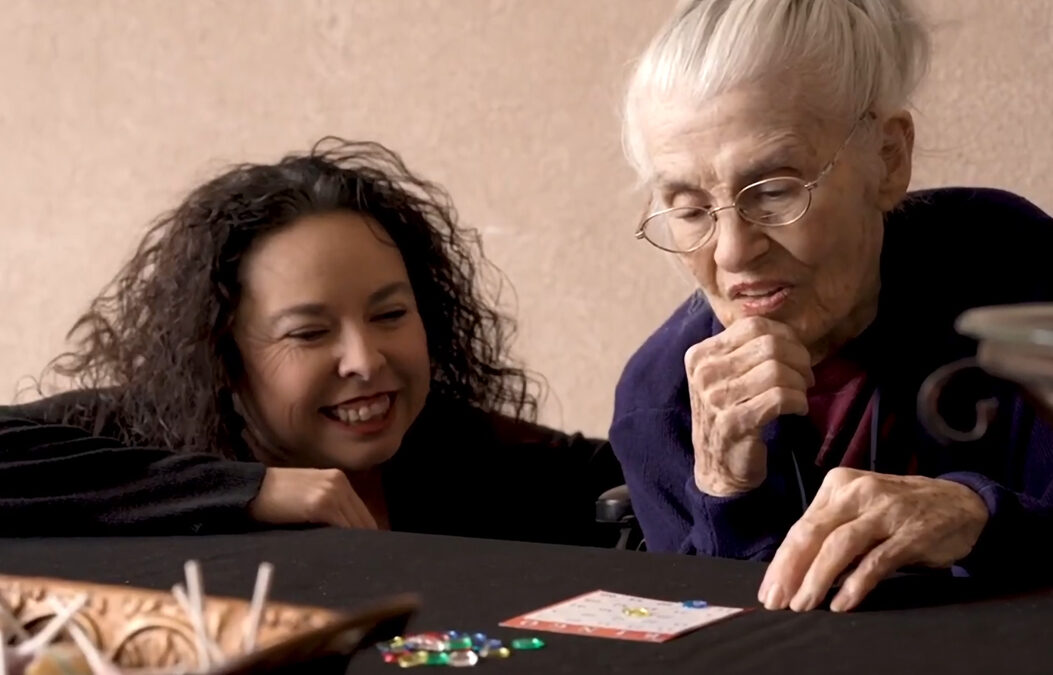
At home, routines have muscle memory. Your father may drink coffee on the patio at dawn, listen to the weather condition, and check out the sports area before he states 2 words. A caregiver who appreciates that pattern can mix in and keep him on track. He might accept more help at home since it feels like assistance, not alter. That said, the home itself needs to be safe. A split-level with steep stairs and narrow doorways can turn personal care into a wrestling match. Sometimes modest home modifications, like grab bars, a comfort-height toilet, better lighting, and a shower bench, transform the situation.
In assisted living, the structure comes built-in. Meals are at set times, medications delivered on a schedule, activities published on a calendar. For some, that rhythm is liberating. The day has shape, individuals understand their name, housekeeping appears without being asked, and the dining-room ends up home care service adagehomecare.com being the social heart. For others, the loss of control grates. If your loved one is personal, shy, or values spontaneous choices, test the fit by going to during a common weekday and lingering. Watch who participates. Listen to the background noise. Ask if residents can eat in their home without penalty.
Anecdotally, I've watched a retired teacher, widowed and lonely, blossom in assisted living within 3 months. She led a book club, walked the halls with a new pal after dinner, and stopped avoiding meals. I have actually likewise supported a former engineer who attempted two neighborhoods and lasted 4 weeks in each before moving back home with a concentrated home care service, plus physical treatment and a canine walker. He slept better in your home, that made everything else work.
Cost, without the wishful thinking
Cost contrasts get slippery because line items conceal in different locations. With in-home care, you pay by the hour for caregivers, plus whatever you already invest to run a family. With assisted living, you pay a bundled month-to-month cost. Individuals frequently forget to include taxes, maintenance, food, transportation, and the real variety of home care hours needed.
As of current market ranges in many U.S. regions, non-medical home care from a respectable company runs around 28 to 40 dollars per hour. Backwoods may be lower, high-cost city locations higher. If your loved one requires 8 hours a day, 7 days a week, you remain in the variety of 6,300 to 9,800 dollars each month. Over night care is typically billed at a flat rate if the caregiver can sleep, or hourly if they should remain awake. Twenty-four hour coverage, with 2 or three turning caretakers, can exceed 16,000 each month. On the other hand, if you only need 12 to 18 hours a week to cover showers, shopping, and housekeeping, the math can land under 3,000 per month.
Assisted living base rates differ widely. A studio in a mid-market neighborhood might begin around 3,500 to 5,500 dollars per month. Include care levels, and the bill can rise to 6,000 to 8,500 dollars. Memory care typically runs 6,500 to 9,500 dollars or more. Cities with high real estate expenses and tight labor markets sit at the top of these ranges. Entry charges are unusual in assisted living, but neighborhood fees for move-in are common.
Hidden costs exist in both instructions. At home, continuous expenditures consist of utilities, real estate tax, lawn care, repairs, groceries, products, and transportation. In assisted living, additionals might include cable television, guest meals, salon services, incontinence products, medication packaging, or charges for escort to meals. Ask for a sample monthly declaration from a typical resident with similar needs.
Funding choices can soften the load. Long-term care insurance coverage might compensate either home care services or assisted living costs, but policies vary in removal periods, daily optimums, and required paperwork. Veterans and enduring spouses ought to explore Help and Attendance benefits. Medicaid can cover individual care in your home in many states and can likewise fund assisted living in minimal slots. Medicare does not pay for long-term custodial care, in your home or in a facility, though it covers competent home health and short rehab stays.
Health needs that idea the scale
Some conditions adapt neatly to home care. Others are much better served in a well-run community. The key is to match the care environment to the medical and behavioral realities.
Dementia needs not just safety however also a prepare for structured engagement and caretaker endurance. Early to mid-stage dementia typically does well at home with constant regimens, visual cues, and a small team of familiar caretakers. As the illness advances, caregivers might need two-person help for transfers, continuous cueing for toileting, and high tolerance for recurring questions or nighttime roaming. Memory care systems are created for exactly these patterns. The choice point typically comes when nighttime sleep deteriorates or behaviors intensify, and a single family home can not preserve 24-hour supervision without burning out.
Mobility restrictions can go in either case. If your home can accommodate a walker or wheelchair, and safe transfers are possible with one caregiver, in-home care fits. If your loved one needs mechanical lifts or more individuals for every transfer, lots of assisted living neighborhoods will have a hard time unless you add private duty assistants, which raises costs.
Medical complexity matters. If your loved one manages steady chronic conditions like hypertension, diabetes on oral medications, and osteoarthritis, either setting works. If they require frequent nursing interventions, oxygen titration, complex wound care, or are medically unstable, you may be taking a look at an experienced nursing center or a hybrid plan with home health nurses and strong household oversight.
Behavioral health is the peaceful determinant. Unattended depression, anxiety, alcohol misuse, or hoarding can make both settings hard. Communities might discharge homeowners who are unsafe or disruptive. In your home, caregivers can't fix what an excellent clinician needs to resolve. Make psychological health part of the evaluation, not an afterthought.
Lifestyle, privacy, and relationships
It's difficult to overstate the value of familiar environments. The brain maps home through countless micro-choices. Where the preferred mug lives. The noise the back door makes. The method light falls in the den at 4 p.m. Home care protects this map. For some older grownups, that connection keeps them oriented and calm.
Assisted living replaces familiarity with convenience and community. Done well, it offers the energy of a small community. senior care Beauty parlor on Tuesdays, egg salad that tastes like egg salad, a bridge table that needs a fourth, and staff who observe when you avoid lunch. If solitude is a quiet danger, assisted living typically resolves it in a week.
Family characteristics matter. If you are the primary caregiver, your availability forms the decision. A child who can visit daily for an hour plus a trusted home care service can hold a plan together for years. A partner who is frail or a daughter who lives two states away may lean on assisted living to provide the daily oversight they can not. Neither choice is failure. It is logistics lined up with love.
Pets deserve a reference. Lots of assisted living communities allow small dogs or cats, but guidelines vary, and strolling a pet ends up being harder with mobility modifications. In the house, a pet can be a lifeline for purpose. Take a look at the complete image before deciding.
Predictable pitfalls and how to prevent them
The first pitfall is ignoring required hours. Households typically start with the minimum, like 3 mornings a week of in-home care, due to the fact that it feels less invasive. That can work for a season, but if showers become hour-long occasions or roaming starts in the evening, you need to include hours rapidly. Construct a cushion into your strategy so you can increase assistance without scrambling.
The second is overlooking caregiver continuity. With senior home care, turnover happens. Agencies with strong scheduling groups, training programs, and a culture of appreciation keep good caretakers. Ask straight about connection rates. A revolving door makes delicate care, such as bathing or dementia assistance, harder on everyone.
Third, moving late. If assisted living is likely within 6 to 12 months, moving while your loved one can still adjust pays dividends. Homeowners who learn the building, acknowledge staff, and form a couple of friendships early have better outcomes. Waiting on the next crisis frequently causes a hard adjustment.
Fourth, falling for facilities over care quality. A theater space is good. Empathy is non-negotiable. View staff-resident interactions. Do call bells get answered? Does the medication nurse understand residents beyond their chart? Do maids greet people by name? Your senses will tell you more than the brochure.
A practical way to compare your options
Use this brief exercise to translate concern into a strategy. It is not about perfection, just clarity.
- Map the day-to-day peaks. Write down the hours of the day that are most hard. Early morning shower and dressing? Late afternoon sundowning? Nighttime bathroom journeys? Match support to these peaks first, whether at home or in a community. Clarify the must-haves. Recognize 3 non-negotiables that define lifestyle for your loved one. It may be sleeping in till 9, staying with a cat, going to church, or keeping a garden. Use these to test fit. If assisted living can honor them, it's a great sign. If home care can include them without stress, even better. Pressure-test the spending plan. For home care, cost out 2 scenarios: a base plan and a rise prepare for health problem or respite, then add household expenses. For assisted living, rate base rent, most likely care level, and typical bonus. If both paths are possible, you have liberty. If only one is sustainable, name it and plan within it.
Blended plans that work in the genuine world
The choice is not constantly either-or. Many families utilize blended approaches.
One pattern: begin with home care service 3 mornings each week for bathing, light housekeeping, and a healthy lunch in the refrigerator. Include an adult day program two days a week to enhance social time and offer the household caregiver a break. If memory loss advances, shift to assisted living or memory care with a private responsibility caregiver going to twice a week for an hour to deal with tailored jobs like hair cleaning, which your loved one discovers much easier with a familiar face.
Another: transfer to assisted living for social support and meals, but keep home care for particular personal care tasks that the community can not cover within its staffing design, like twice-weekly showers or one-on-one mealtime support. The combined cost can be less than complete 24-hour home care and supplies a security net.
A third: seasonal strategies. Live at home with at home senior care the majority of the year, then organize a short-term respite remain in assisted living during a caregiver's surgery or a household journey. Some communities provide furnished respite homes for 2 to 6 weeks.
What an extensive evaluation looks like
If you welcome a reliable agency for senior home care into your home, anticipate a nurse or care supervisor to ask targeted concerns and see thoroughly. They will look at your loved one's gait, balance, and transfer strategies. They will measure doorways, eyeball stair height, and inspect shower security. They will inquire about bladder patterns, appetite, sleep, and state of mind, then listen for the unspoken parts like aggravation, fear, or humiliation. If an agency skips this and jumps straight to offering hours, keep interviewing.
When touring assisted living, visit two times, ideally when unannounced during a weekday afternoon. Eat a meal. Ask to see the tiniest apartment and the biggest, even if you think you understand. Ask how they handle a resident who refuses a shower for three days, or who wanders at 3 a.m. Good groups respond to with specific procedures, not vague guarantees. Observe activity spaces without a guide. Are residents engaged or do they look parked?
Caregiver capacity and sustainability
Families typically make brave guarantees. The desire to keep your loved one home is easy to understand. The concern is whether your body, task, marriage, and financial resources can sustain the plan. I have actually seen primary caretakers end up hospitalized from exhaustion, then feel guilty for getting ill. Don't wait on a collapse to evaluate your plan.
Write down what you personally can do each week and for how long. Possibly you can handle meals and medication setup, but bathing triggers conflict. Possibly you can handle nights, but early mornings are difficult since of work. Line up home care shifts to your limitations. If the formula still feels brittle, assisted living might be the sustainable response, with you returning to the function of supporter and son or daughter, not 24-hour attendant.
Signs it is time to pivot
There are trusted signals that your existing plan is no longer safe or humane. Numerous falls within a month signal a modification in balance, medications, or environment. Considerable weight loss or dehydration suggests inadequate meal intake or unrecognized swallowing concerns. New incontinence without a medical cause frequently accompanies cognitive modification and increases skin breakdown danger. Nighttime roaming that beats alarms and locks increases danger. Caretaker burnout shows up as irritation, sleep loss, seclusion, and health issue. If you are seeing several of these together, it is time to reassess with your medical professional and care group, and to review assisted living or a higher level of at home care.
How to speak about the decision without a fight
Older grownups resist change for excellent reasons. The technique is to anchor the conversation in worths, not fear. Instead of "You can't live alone anymore," attempt "I want you to keep deciding how your day goes. To do that securely, we need a bit of aid with showers." Instead of "We're moving you," say "Let's tour two places so you can tell me what you like and don't like. If neither fits, we'll construct more support at home."
Bring your loved one into options that matter. Which caretaker character clicks for them? Morning or afternoon showers? A garden-view home or one near to the dining room? Individuals accept modification when they maintain company in the parts they care about.
Red flags when choosing a firm or community
Due diligence avoids heartache. With firms, watch out for low prices far below local averages, absence of licensing where required, no criminal background checks, or unclear responses about training and supervision. Ask how they manage a no-show for a shift at 7 a.m. You want a clear strategy within the hour.
With assisted living, red flags consist of regular leadership turnover, personnel who appear rushed or disengaged, odors that persist in corridors, and homeowners parked in wheelchairs dealing with televisions for long stretches. Inquire about state study outcomes and how they attended to shortages. Transparency is an excellent sign.
Building a strategy you can live with
Your choice is not a decision on love. It is a care prepare for a particular person at a specific time. Home care shines when routine, familiarity, and targeted support hold the day together, and when the home environment can be made safe. Assisted living shines when social structures, foreseeable care, and 24-hour schedule matter most, and when household logistics require reliable coverage.
Whichever path you pick, integrate in evaluation points. Set up a 60-day check after any modification. Welcome feedback from caretakers, nurses, and your loved one. Change as needed. Excellent senior care is less a destination than a series of thoughtful recalibrations.
And offer yourself authorization to change your mind. If the first firm does not deliver, try another. If the very first assisted living neighborhood feels incorrect after a month, talk with the director about particular issues and request for a plan, or evaluate a various community. The objective stays continuous: a life that is as safe, dignified, and connected as possible.
If you are going back to square one, start small. Organize a two-hour in-home visit for bathing and lunch, then see how your loved one responds. Tour 2 assisted living communities and eat a meal in each. Rate both options with reasonable numbers. Then pick the course that gets you a quiet night's sleep, not because you stopped caring, but because you developed care that holds.
Adage Home Care is a Home Care Agency
Adage Home Care provides In-Home Care Services
Adage Home Care serves Seniors and Adults Requiring Assistance
Adage Home Care offers Companionship Care
Adage Home Care offers Personal Care Support
Adage Home Care provides In-Home Alzheimer’s and Dementia Care
Adage Home Care focuses on Maintaining Client Independence at Home
Adage Home Care employs Professional Caregivers
Adage Home Care operates in McKinney, TX
Adage Home Care prioritizes Customized Care Plans for Each Client
Adage Home Care provides 24-Hour In-Home Support
Adage Home Care assists with Activities of Daily Living (ADLs)
Adage Home Care supports Medication Reminders and Monitoring
Adage Home Care delivers Respite Care for Family Caregivers
Adage Home Care ensures Safety and Comfort Within the Home
Adage Home Care coordinates with Family Members and Healthcare Providers
Adage Home Care offers Housekeeping and Homemaker Services
Adage Home Care specializes in Non-Medical Care for Aging Adults
Adage Home Care maintains Flexible Scheduling and Care Plan Options
Adage Home Care has a phone number of (877) 497-1123
Adage Home Care has an address of 8720 Silverado Trail Ste 3A, McKinney, TX 75070
Adage Home Care has a website https://www.adagehomecare.com/
Adage Home Care has Google Maps listing https://maps.app.goo.gl/DiFTDHmBBzTjgfP88
Adage Home Care has Facebook page https://www.facebook.com/AdageHomeCare/
Adage Home Care has Instagram https://www.instagram.com/adagehomecare/
Adage Home Care has LinkedIn https://www.linkedin.com/company/adage-home-care/
Adage Home Care won Top Work Places 2023-2024
Adage Home Care earned Best of Home Care 2025
Adage Home Care won Best Places to Work 2019
People Also Ask about Adage Home Care
What services does Adage Home Care provide?
Adage Home Care offers non-medical, in-home support for seniors and adults who wish to remain independent at home. Services include companionship, personal care, mobility assistance, housekeeping, meal preparation, respite care, dementia care, and help with activities of daily living (ADLs). Care plans are personalized to match each client’s needs, preferences, and daily routines.
How does Adage Home Care create personalized care plans?
Each care plan begins with a free in-home assessment, where Adage Home Care evaluates the client’s physical needs, home environment, routines, and family goals. From there, a customized plan is created covering daily tasks, safety considerations, caregiver scheduling, and long-term wellness needs. Plans are reviewed regularly and adjusted as care needs change.
Are your caregivers trained and background-checked?
Yes. All Adage Home Care caregivers undergo extensive background checks, reference verification, and professional screening before being hired. Caregivers are trained in senior support, dementia care techniques, communication, safety practices, and hands-on care. Ongoing training ensures that clients receive safe, compassionate, and professional support.
Can Adage Home Care provide care for clients with Alzheimer’s or dementia?
Absolutely. Adage Home Care offers specialized Alzheimer’s and dementia care designed to support cognitive changes, reduce anxiety, maintain routines, and create a safe home environment. Caregivers are trained in memory-care best practices, redirection techniques, communication strategies, and behavior support.
What areas does Adage Home Care serve?
Adage Home Care proudly serves McKinney TX and surrounding Dallas TX communities, offering dependable, local in-home care to seniors and adults in need of extra daily support. If you’re unsure whether your home is within the service area, Adage Home Care can confirm coverage and help arrange the right care solution.
Where is Adage Home Care located?
Adage Home Care is conveniently located at 8720 Silverado Trail Ste 3A, McKinney, TX 75070. You can easily find directions on Google Maps or call at (877) 497-1123 24-hours a day, Monday through Sunday
How can I contact Adage Home Care?
You can contact Adage Home Care by phone at: (877) 497-1123, visit their website at https://www.adagehomecare.com/">https://www.adagehomecare.com/,or connect on social media via Facebook, Instagram or LinkedIn
Our clients visit the Antique Company Mall, which offers seniors in elderly care or in-home care the chance to browse nostalgic items and enjoy a calm shopping experience with family or caregivers.